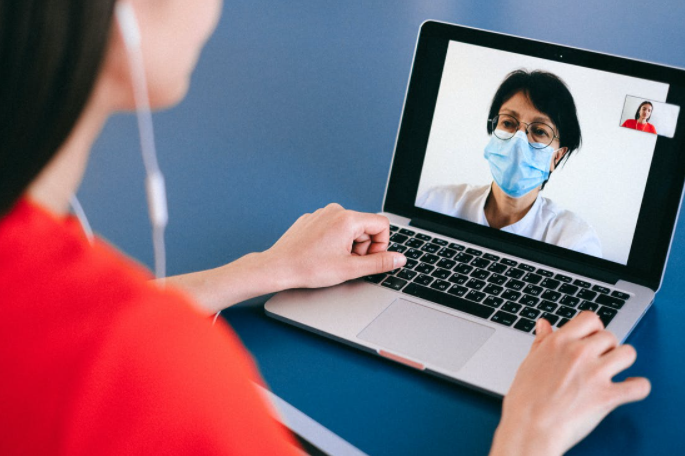
Remote patient monitoring (RPM) is a technology that has been rapidly growing in popularity in recent years. This is because it offers several benefits for both patients and healthcare providers, thanks to HIPAA messaging compliance. This blog post will discuss the top five benefits of remote patient monitoring.
It Offers Increased Patient Safety
 Remote patient monitoring improves the safety of patients in several ways. First, it allows for early detection of medical issues before they become severe and require hospitalization. This can reduce the risk of complications and even save lives by enabling healthcare providers to intervene earlier than would otherwise be possible.
Second, remote patient monitoring allows caregivers to monitor vital signs remotely, which can help avoid adverse events caused by changes in a patient’s condition.
RPM Improves Quality of Care
Remote patient monitoring also improves the quality of care that patients receive. It is because it allows healthcare providers to track and monitor patients’ progress more closely, enabling them to make adjustments to treatment plans as needed. In addition, they can use the systems to monitor patients for signs of illness or disease remotely. This benefit is significant because it helps healthcare providers provide better patient care by intervening sooner when problems arise and making adjustments as necessary before complications occur.
RPM Reduces Hospital Readmissions
 Remote patient monitoring also reduces the number of hospital re-admissions. It allows healthcare providers to intervene sooner when problems arise and make adjustments as necessary before complications occur.
It also helps patients who are at high risk for re-admissions, such as those with COPD or heart disease, by enabling them to develop healthier habits that help prevent complications from arising. In addition, remote patient monitoring can help to reduce the overall cost of care by avoiding unnecessary hospitalizations.
This allows healthcare providers to treat patients more effectively and efficiently, which minimizes the need for costly interventions like hospital stays.
It Promotes Easier Access to Patient Data
Remote patient monitoring makes it easier for healthcare providers to access patient data, improving their ability to provide better care. This is because the technology enables them to track and monitor patients’ progress more closely, making adjustments as needed. In addition, this type of system also makes medical records available at any time from anywhere, which helps patients receive treatment sooner and more effectively. In addition, it enhances communication between patients and caregivers by interacting more effectively. This is because it allows healthcare providers to see how their patients are doing daily, making it possible to make adjustments as needed.