

Starting a running routine can feel exciting—and a little intimidating. You lace up your shoes, head out with good intentions, and maybe even go too hard, too fast. Then the soreness hits, the motivation fades, and you’re back on the couch, wondering if running just isn’t for you. But it doesn’t have to be that way. If you take the right approach from the beginning, running can become something you look forward to rather than dread. Here’s how to ease into it, avoid burnout, and build a routine that actually sticks.
Start Small to Go Far
One of the biggest mistakes new runners make is thinking they need to go all out to make progress. In reality, consistency beats intensity when you’re just getting started. Instead of focusing on speed or distance, focus on building the habit. Even a short run has benefits—the impact of running 20 minutes every day on your health and fitness has been shown to improve cardiovascular health, boost mood, and support weight management. Keep your early runs easy and enjoyable, and let your body gradually adapt to the new activity.
Listen to Your Body, Not Just a Training Plan

It’s tempting to follow a rigid beginner’s plan you found online, but your body doesn’t always care what the calendar says. Some days you’ll feel great; others, not so much. Learning to listen to your body is key. If you’re unusually sore or fatigued, it’s okay to swap a run for a walk or a rest day. Pushing through pain or exhaustion can lead to injury or burnout. Flexibility is part of a sustainable routine, not a sign of failure.
Focus on Form and Breathing
Good running form can make a big difference in how you feel during and after your run. Keep your posture tall, shoulders relaxed, and arms swinging naturally. Avoid overstriding—your foot should land beneath your body, not way out in front. Breathing steadily, ideally in through your nose and out through your mouth, can also help keep your pace manageable and prevent that dreaded gasping-for-air feeling. Don’t stress about “getting it perfect”—just aim to stay relaxed and rhythmic as you move.
Know That Rest and Recovery Matter More Than You Think

Running puts stress on your muscles, joints, and cardiovascular system—especially when you’re new. That’s why recovery days aren’t optional. They’re when your body rebuilds and gets stronger. Make sure you’re giving yourself at least one full rest day a week, and consider adding in light activities like walking, stretching, or yoga on non-running days. Sleep, hydration, and nutrition are also part of recovery, so don’t skimp on those either. Skipping rest can lead to setbacks that slow your progress far more than taking a break ever will.
Make It Enjoyable (Yes, Really)
If running feels like punishment, it’s going to be hard to stick with it. Try running in scenic areas, listening to music or a good podcast, or inviting a friend to join you. You might even combine …
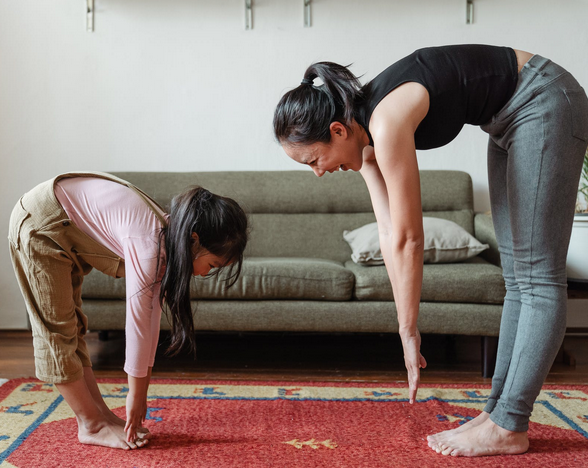
 If you live close enough to your job, consider walking instead of driving. It is a great way to get in some exercise without going to the gym. And it’s also a great way to save money on gas. Walk at a brisk pace for about 30 minutes, and you’ll be able to achieve the recommended amount of exercise for the day. If you don’t live close to your job, consider biking instead of driving. It’s a great way to get some practice in, and it’s also good for the environment.
 Another great way to get in some exercise without going to the gym is by attending an online Zumba class. Many different websites offer these classes, and most of them are free! Just make sure you have a good internet connection and enough space to move around. Zumba is a great workout – it’s fun, and it’s a great way to get in shape!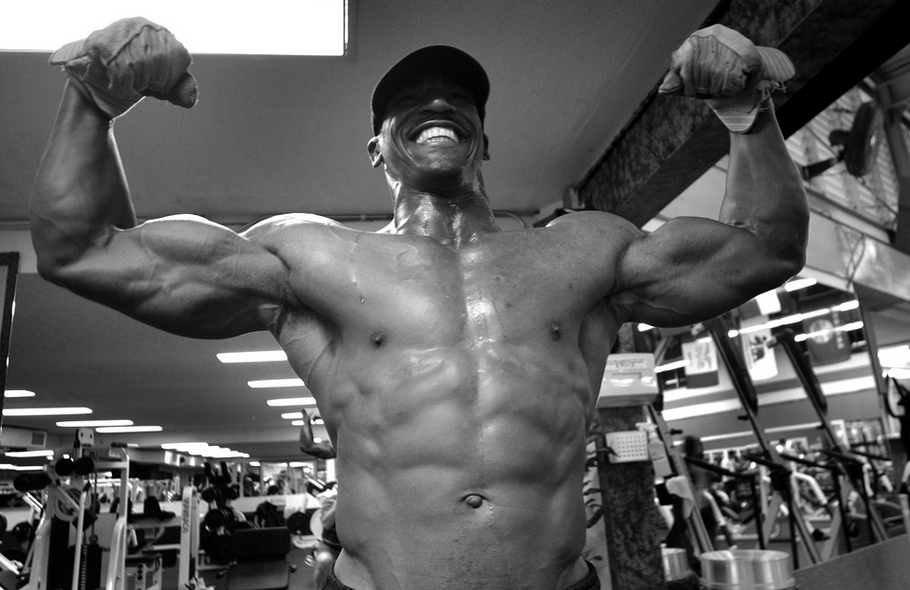
 The first and most apparent benefit of bodybuilding is that you are building your muscles to be stronger. This helps in real life because having strong muscles makes it easier for you to do things. Whether lifting something heavy or just carrying groceries up the stairs at home, doing these activities with a strong body can make things easier for you.
 Bodybuilders are known for having perfect posture, and this is not just because they believe that standing up straight will make them look better. If you do bodybuilding, you know that it takes a lot of core strength to hold the different poses where your body needs to be completely tight and in line with everything else. People who don’t do bodybuilding usually lack the same kind of postural control, which could lead to different problems in their lives.

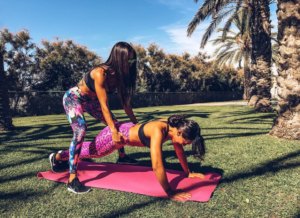 Performing aerobic activities like walking, jogging, running, cycling, skipping, and swimming with low intensity over a long duration without stopping. It should be easy for the person to continue doing the activity for 20 minutes. The intensity of the activity should be maintained for at least 60 minutes. Muscular endurance is not possible by resistance training using light weights and high repetitions.